

Public health crisis. Research analysis from regional surveillance networks reveals alarming resistance patterns, prompting residents to ask: What are natural antibiotics that work safely? Understanding evidence-backed options for minor ailments becomes essential for responsible antimicrobial stewardship.
Table of Contents
ToggleNatural antibiotics for humans, including specific botanicals and compounds, demonstrate measurable antibacterial properties for mild infections. Best natural antibiotic choices depend on the condition: natural antibacterial foods support immunity, while targeted remedies address specific issues like cough or localized discomfort when applied correctly.
Professional guidance distinguishes safe home management from conditions requiring medical intervention. Natural antibiotics for infection offer complementary relief, not replacements for pharmaceutical treatment when necessary.
What Are Natural Antibiotics: The Right Way to Use Natural Antibiotics in Dubai
The high prevalence of searches for “what are natural antibiotics” among Dubai residents directly addresses key public health and lifestyle concerns regarding common local ailments, specifically sinus, throat, and skin infections.
Why Residents Seek Alternatives
The preference for exploring natural antibiotics for infection is rooted in two professional considerations:
- Antibiotic Stewardship: Concern over increasing bacterial resistance drives families to minimize unnecessary antibiotic prescriptions.
- Efficiency: Seeking reliable home-based solutions to avoid the clinical time and logistical effort associated with traditional clinic visits.
The Strategically Balanced Approach
In line with best practices, including those referenced by ScienceDirect, a pragmatic middle ground is necessary:
A practical middle path: try safe, evidence-based natural options for mild early problems, then escalate quickly if symptoms worsen. That approach reduces unnecessary antibiotics while keeping patient safety first.
11 Doctor-Recommended Natural Antibiotics for Humans
Understanding what are natural antibiotics can provide supportive measures for minor ailments, but they are not a replacement for prescription medication. Always consult a healthcare professional, especially for persistent symptoms, to ensure effective treatment and avoid potential drug interactions.
1. Garlic (Active Compound: Allicin)
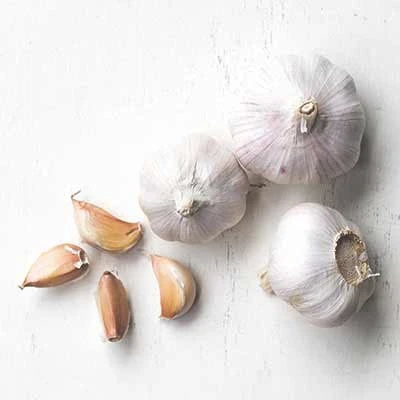
Garlic is often cited as the best natural antibiotic due to the sulfur compound allicin, which is released when crushed. Allicin exhibits broad-spectrum antibacterial activity in lab settings, showing promise against various pathogens. It can also be used as an adjunct for minor wound hygiene or to target a natural antibiotic for tooth infection.
How to Use: Crush one fresh clove of raw garlic and let it sit for 2 to 5 minutes to maximize allicin activation. It can be mixed with honey to mitigate the strong taste and taken once daily as a short-term home measure.
Safety Note: Garlic can increase bleeding risk in people taking anticoagulants (blood thinners) and may cause stomach upset. Always discuss usage with your doctor if you are on medication.
2. Medical-Grade Manuka Honey (UMF 15+ Lozenge/Topical)
Manuka honey stands out as a potent natural antibiotic for humans. Its strength comes from the compound methylglyoxal (MGO), which provides proven topical antimicrobial and wound-healing effects. It’s also excellent for symptomatic relief of upper respiratory tract infections (URTIs), making it a comforting natural antibiotic for cough and sore throats.
How to Use: For soothing a sore throat, slowly dissolve 1 teaspoon of Manuka honey or use a specialized lozenge twice daily. For minor wounds, use certified medical-grade Manuka honey dressings following a doctor’s instructions.
Safety Note: Never give honey to infants under 12 months due to the risk of botulism. Diabetics should use Manuka honey cautiously and consult a clinician regarding carbohydrate intake.
3. Oil of Oregano (Carvacrol above 80%)
Oregano oil contains a high concentration of the phenolic compound carvacrol (ideally 80+%), which demonstrates powerful in-vitro antibacterial and antiviral activity. It is considered a strong natural antibiotic for infection and may be useful as a short-term adjunct for supporting recovery from sinus issues or mild topical infections under professional guidance.
How to Use: Never ingest undiluted essential oil, it causes severe irritation. Use enteric-coated oregano oil capsules from a reputable brand according to the label’s directions, or highly dilute it for steam inhalation (doctor guidance recommended for proper dilution).
Safety Note: Avoid using oregano oil during pregnancy and in young children. High doses can potentially irritate mucous membranes or interfere with nutrient absorption.
4. Ginger + Raw Honey + Lemon (Immunity Tea)
This combination is an excellent natural antibiotic for cough and general symptomatic relief. Ginger contains antimicrobial gingerols that exhibit antibacterial action. Raw honey acts as a demulcent, soothing the cough reflex, while lemon supplies beneficial Vitamin C and antioxidants. This makes it a great natural antibiotic for infection support for the common cold or early respiratory symptoms.
How to Use: Steep several thin slices of fresh ginger root in hot water for 5 to 10 minutes. Add 1 teaspoon of raw honey and fresh lemon juice to taste. Sip slowly for symptomatic relief up to three times daily.
Safety Note: As with all honey preparations, avoid giving to infants under 12 months due to the risk of botulism.
5. Turmeric (Curcumin): “Golden Milk” with Black Pepper
Turmeric’s active compound, curcumin, is a recognized natural antibacterial food due to its potent anti-inflammatory properties and its documented ability to inhibit bacterial growth and disrupt protective biofilms in laboratory settings. Adding black pepper significantly enhances the absorption of curcumin, maximizing its effect as a supportive natural antibiotic for humans.
How to Use: Mix 1/2 to 1 teaspoon of turmeric powder into a mug of warm milk (dairy or plant-based) along with a pinch of black pepper (piperine). Consume once daily as a soothing, systemic adjunct.
Safety Note: Turmeric in therapeutic doses may interact with anticoagulants (blood thinners). If taking high-dose curcumin supplements, clinical review is required.
6. Oil Pulling with Virgin Coconut Oil
Virgin coconut oil acts as a natural antibiotic for tooth infection and an oral hygiene adjunct. Clinical trials show oil pulling can significantly reduce oral Streptococcus mutans (the main bacteria responsible for decay) counts, similar to prescription mouthwashes over short periods. This makes it useful for managing minor oral infections or early toothache.
How to Use: Swish 1 tablespoon of coconut oil vigorously in the mouth for 10 to 15 minutes, pull it through the teeth, then spit it into the trash (not the sink, as it can clog). Rinse the mouth thoroughly with warm water afterward.
Safety Note: Do not swallow the oil. This is not a treatment for abscesses or severe dental infections, seek immediate care from a home dentist or doctor for acute pain.
7. Echinacea Tincture
Echinacea is one of the best natural antibiotics for immune support, primarily studied for its role in respiratory health. It may offer a modest, preventative effect against upper respiratory tract infections (URTIs) and potentially reduce symptom duration in some individuals by boosting the body’s natural defense mechanisms.
How to Use: Follow the product-specific dosing instructions, typically using tincture doses on the label, for short courses (e.g., 7 to 10 days) at the first sign of illness. It is generally safe for short-term use in adults.
Safety Note: Avoid if you have allergies to plants in the Asteraceae (daisy) family. As evidence is mixed on its effect, check with your doctor, especially if you are pregnant or have an autoimmune condition.
8. Raw Apple Cider Vinegar (with “Mother”)
Apple cider vinegar (ACV) contains acetic acid, which provides notable antimicrobial activity against certain types of bacteria in laboratory studies. While its clinical usefulness remains limited compared to the best natural antibiotic options, it serves as a helpful natural antibacterial food and an excellent hygienic gargle for minor sore throats.
How to Use: For a throat gargle, dilute 1 tablespoon of ACV in a full glass of water and gargle once. Never swallow ACV undiluted.
Safety Note: ACV is highly acidic; prolonged, frequent ingestion can erode tooth enamel and potentially irritate the esophagus. Avoid long-term oral use without consulting a clinician.
9. Probiotics (Lactobacillus + Bifidobacterium Strains)
While not a direct best natural antibiotic, specific strains of Lactobacillus and Bifidobacterium (probiotics) enhance the body’s natural defenses. They are key to supporting the gut microbiome’s resilience, helping reduce the risk of common issues like recurrent urinary tract infections (UTI) and minimizing antibiotic-associated diarrhea (AAD) during or after prescription drug therapy.
How to Use: Choose clinically studied strains (often listed by specific strain names) and follow the product dosing instructions. Probiotics are generally safe, but discuss supplementation with your doctor if you are severely immunocompromised or managing a chronic condition.
Safety Note: Always take antibiotics and probiotics a few hours apart to maximize the probiotic’s effectiveness.
10. Cranberry Concentrate (Proanthocyanidin-Rich)
Cranberry concentrate is a powerful natural antibacterial food known primarily for preventing bacterial adhesion. The high concentration of proanthocyanidins (PACs) physically stops E. coli, the main cause of UTIs, from sticking to the bladder wall. This makes it highly useful for women prone to recurrent UTIs, acting as a crucial preventative measure.
How to Use: Use standardized cranberry supplements (follow product PAC dosing) or drink unsweetened cranberry juice as prevention, not treatment.
Safety Note: Cranberry is not a substitute for prescription antibiotics in the case of an active, symptomatic UTI, which requires prompt medical attention to prevent kidney infection.
11. Colloidal Silver Nasal Spray: Strong Caution
Colloidal silver contains minute silver particles that demonstrate broad antimicrobial properties when used topically (e.g., in medical wound dressings). However, as a systemic natural antibiotic for humans, its risks far outweigh any unproven benefit.
How to Use: Do not ingest colloidal silver. If a clinician recommends topical use (like a nasal spray), use only medical-grade products under strict clinical supervision, ensuring the product adheres to safety guidelines.
Safety Note: Health authorities (FDA, NIH) strongly warn that colloidal silver is not safe or effective as a systemic treatment. Ingestion can lead to argyria, a permanent, irreversible blue-gray discoloration of the skin, and potential organ toxicity. Seek professional advice.
When Natural Antibiotics for Infection Aren’t Enough: Red Flags (Call a Doctor At Home)
While exploring what are natural antibiotics and using supportive natural antibacterial foods can aid recovery, certain symptoms indicate a serious infection that requires immediate medical intervention.
Call a DHA-licensed doctor and book a home visit if you experience any of the following:
- Persistent or High Fever: Fever ≥38.5°C (101.3°F) lasting or worsening beyond 24 to 48 hours.
- Severe Localized Pain: Worsening facial swelling or severe, throbbing tooth pain (suggesting a possible abscess or severe sinus infection).
- Respiratory Distress: Shortness of breath, chest pain, or confusion.
- Worsening Cough: A cough that produces purulent sputum, contains blood, or is associated with increasing breathlessness.
- Signs of Sepsis: Any combination of very high fever, rapid heart rate, or low blood pressure.
At Doctors at Home, we provide 24/7 DHA-licensed home visits for urgent triage. We can start appropriate prescription antibiotics or arrange immediate transfer if necessary.
How Doctors At Home Integrate Natural Antibiotics for Humans in Home Care Plans
At Doctors at Home, we strategically incorporate safe, evidence-based natural remedies alongside conventional medicine to ensure holistic and effective care:
- Safe Home Measures: We guide patients on using safe support remedies, such as ginger tea for a natural antibiotic for cough or oil pulling as a natural antibiotic for tooth infection adjunct.
- Supervised Topical Use: We supervise the use of topical treatments, such as applying medical-grade Manuka honey dressings for wound healing when appropriate.
- Microbiome Support: We routinely prescribe clinically studied probiotics (Lactobacillus and Bifidobacterium strains) after antibiotic therapy to restore microbiome resilience and prevent AAD.
- Interaction Review: We meticulously review potential interactions, specifically checking for risks with remedies like garlic or turmeric in patients taking anticoagulants.
Targeted Antibiotics: If symptoms strongly indicate a bacterial infection (based on clinical examination and lab results), we prescribe targeted antibiotics when clearly indicated, not as a first reflex. This balanced approach preserves the effectiveness of these crucial medications for everyone, aligning with CDC guidelines.
Frequently Asked Questions
What are natural antibiotics and how do they work?
Natural antibiotics are foods, extracts or substances with antibacterial activity. They can inhibit growth, disrupt bacterial membranes, or prevent bacteria sticking to tissues. Use them as adjuncts, not replacements for needed antibiotics.
What’s the strongest natural antibiotic for a tooth infection?
For a true dental abscess, natural options won’t replace care. Oil pulling or garlic may help symptomatically for very early pain, but facial swelling or severe tooth pain needs urgent clinical evaluation.
Are natural antibiotics safe in pregnancy?
Many are not recommended in pregnancy (e.g., oregano oil, some essential oils). Always check with your DHA-licensed doctor before use.
When Natural Antibiotics Aren’t Enough: Professional Care at Your Doorstep
These 11 natural antibacterials can safely support early, mild infections at home in Dubai. Use them short-term, follow safety notes, and always check drug interactions or pregnancy warnings.
If symptoms don’t improve within 48 hours, or if you see any red flags above, book a 24/7 home doctor visit now, we’ll assess, test, and treat in your home so you avoid clinic waits and reduce unnecessary antibiotic use.
[Book 24/7 Home Doctor Visit: Doctors at Home]
